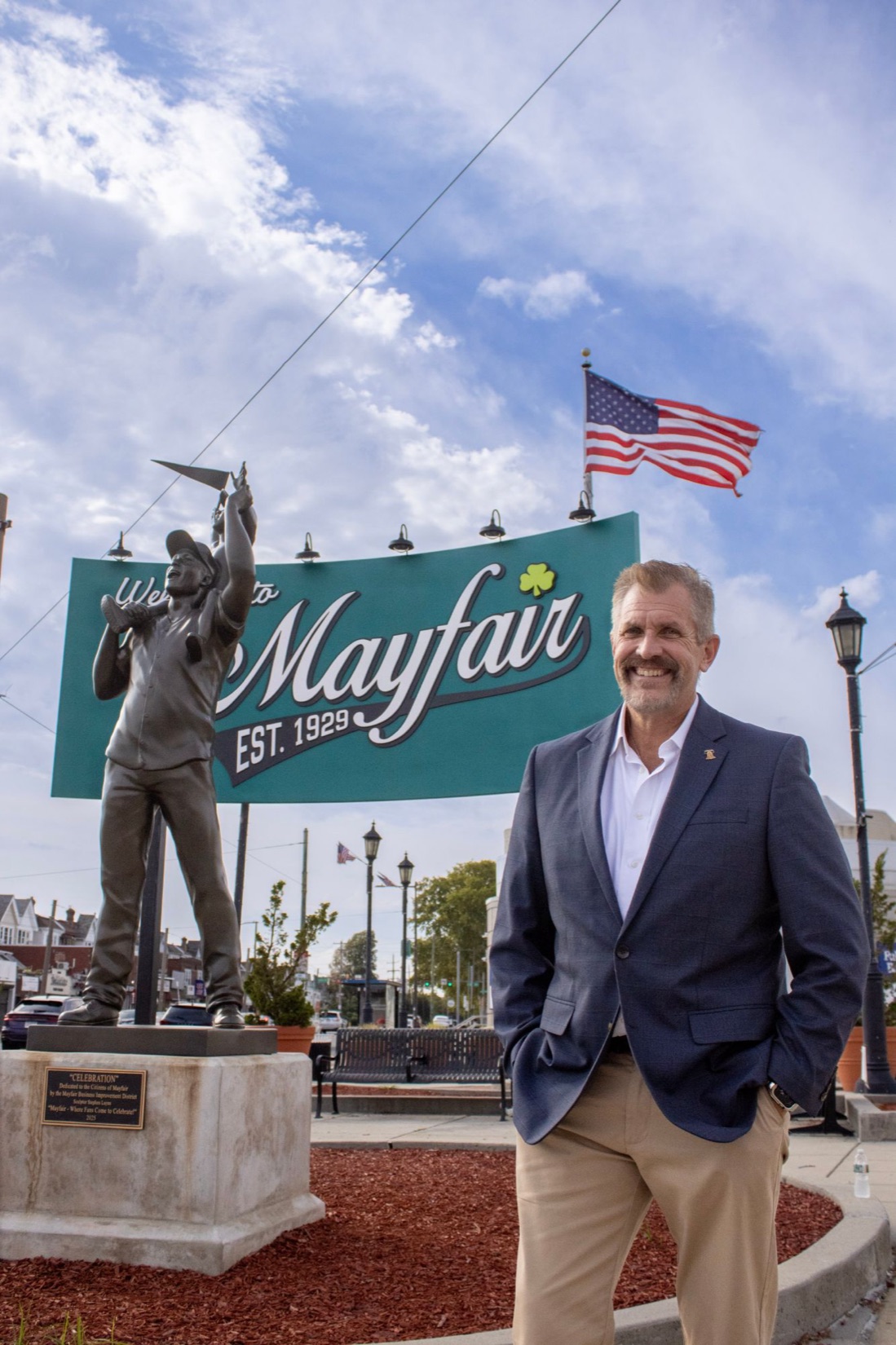
Fall Fundraiser for Bill Griffin
When
Wed, Oct. 21
6:00 – 8:00 PM
Sponsorship levels
- Host$250
- Ticket$75
- Committee$50
Spots limited
Checks payable to: Bill Griffin for State Representative · 8629 Yale Pl, Philadelphia, PA 19136
For more than 35 years, Bill Griffin served Philadelphia’s children and families as a special education teacher, administrator, and principal. He believes government should make life easier, not harder.

Find your polling place and check your registration at VotingPA.com.
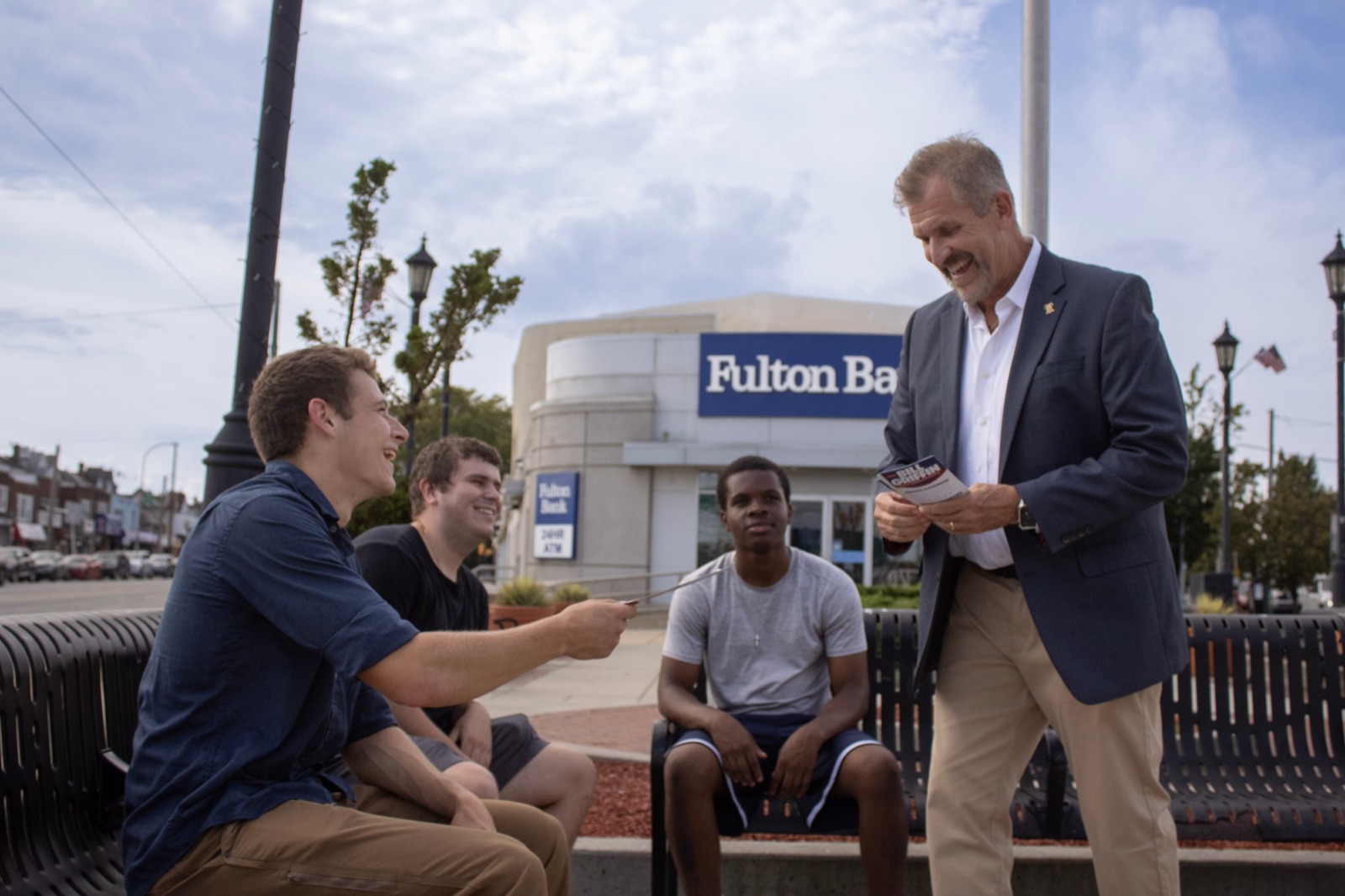
Check registrationJoin a canvass with Bill and talk with your neighbors.
VolunteerShow your neighbors you’re with Bill. Request a yard sign.
Request a yard signEvery dollar puts another sign in another yard.
Donate
When
Wed, Oct. 21
6:00 – 8:00 PM
Sponsorship levels
Spots limited
Checks payable to: Bill Griffin for State Representative · 8629 Yale Pl, Philadelphia, PA 19136

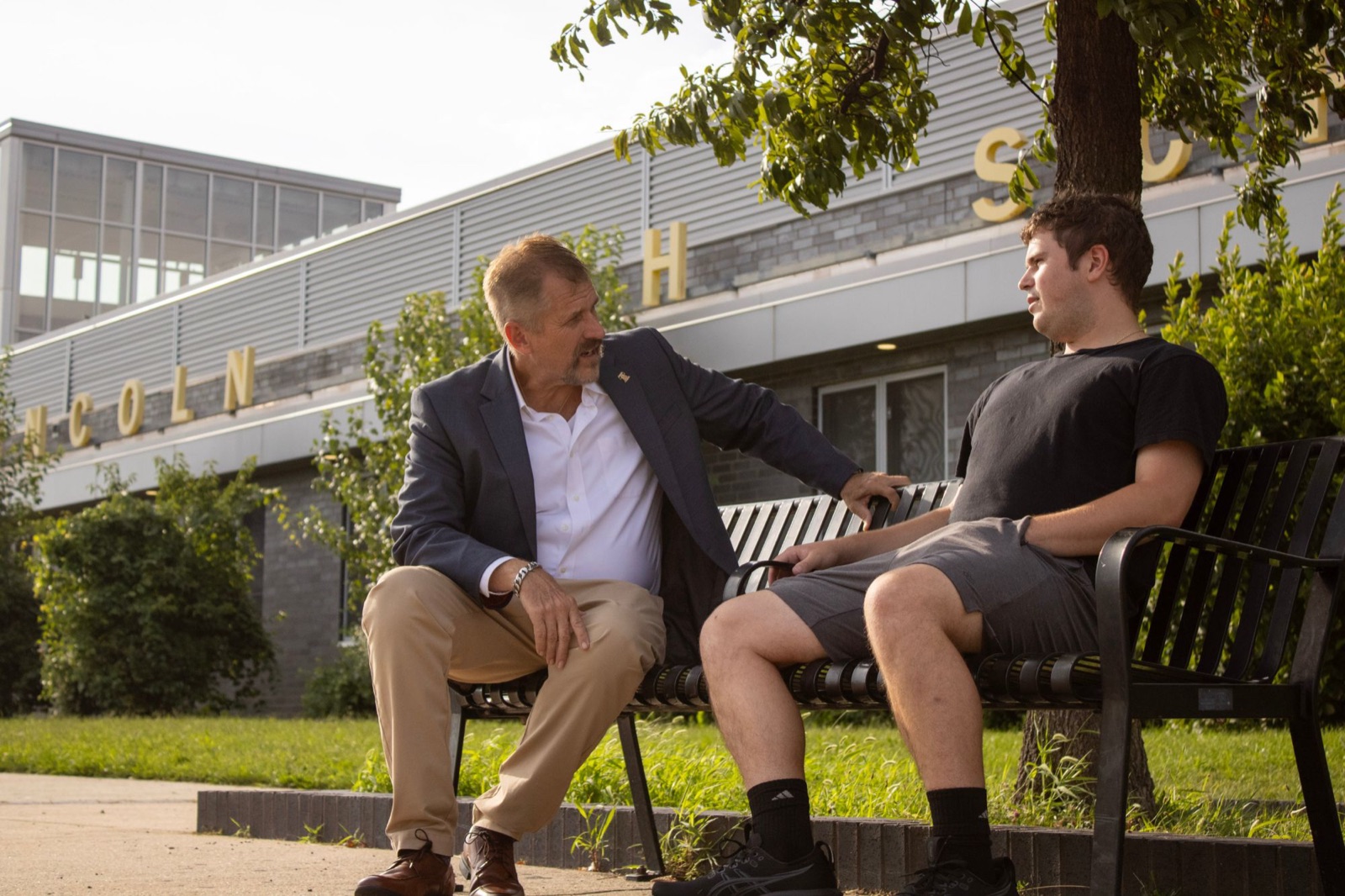
Bill Griffin has spent a lifetime serving this community. He’s ready to keep showing up.
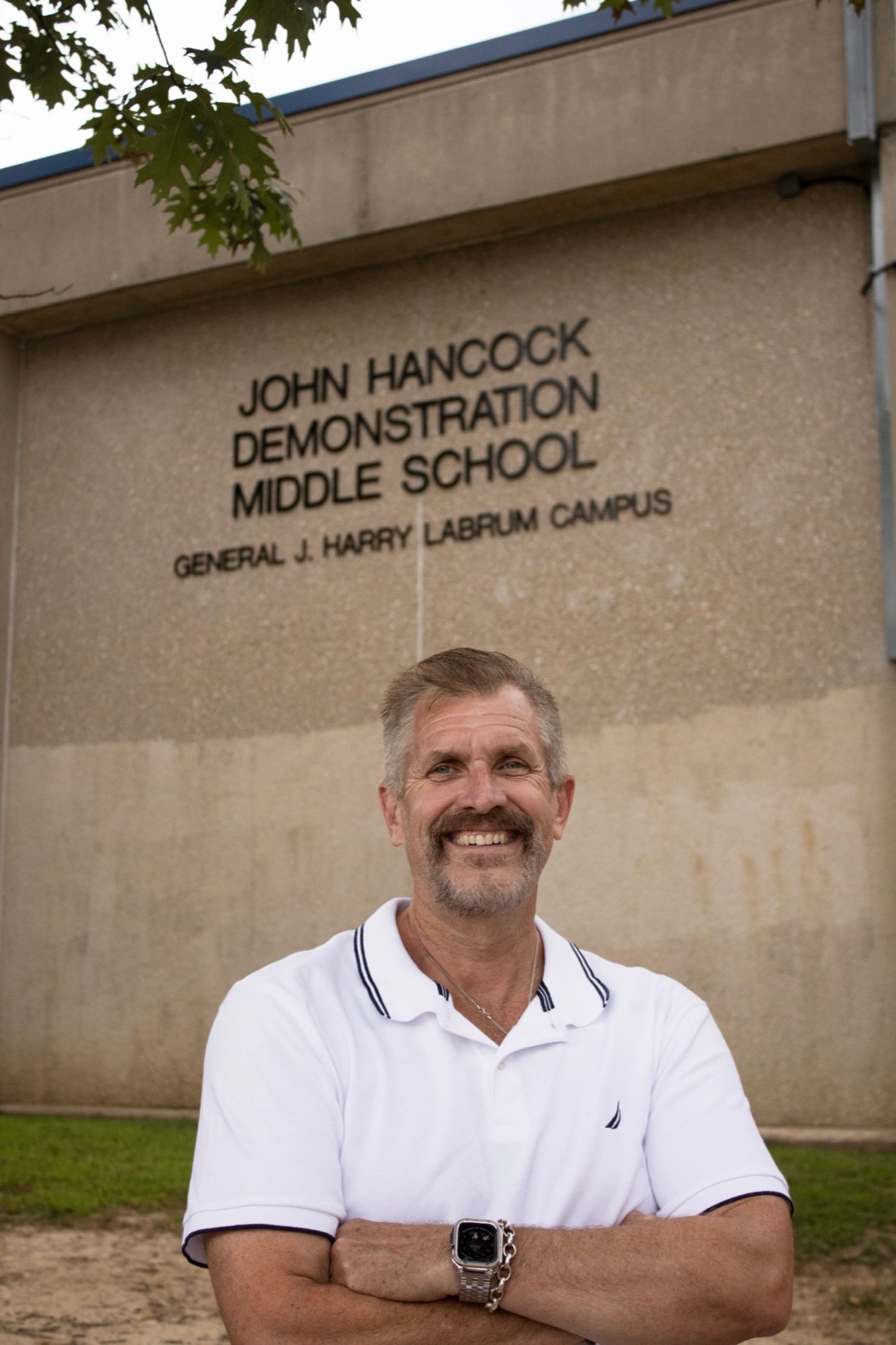
For 35 years, families in Northeast Philadelphia knew Bill Griffin as the teacher and principal who cared about their kids. At Austin Meehan Middle School, Kennedy Crossan Elementary School, John Hancock Elementary Demonstration School and General J. Harry LaBrum Middle School, he worked to create classrooms where students could grow and learn, and where parents felt heard and respected. Families trusted Bill because he was fair, steady, and always showed up for the community.
After retiring from the School District, Bill didn’t slow down. Today he serves families as a licensed real estate agent, guiding them through home sales, purchases, and big decisions. And when schools need a trusted leader, Bill still answers the call as a substitute principal.
Bill and his wife, Dawn, raised their family here. They understand the pressures families face today—from safety and stability to rising prices and higher costs impacting seniors and working parents. Now a grandfather of seven, Bill wants to make sure the next generation can grow up in a community that is safe, affordable, and full of opportunity.
Bill isn’t a career politician; he’s a neighbor who listens and solves problems. He believes government should make life easier, not harder, and focus on the basics families care about most: safe blocks, good schools, reliable health care, and a fair shot for seniors and working families.
As State Representative, Bill will put people before politics and fight for practical solutions that make everyday life better for Northeast Philadelphia.
In our schools, in our neighborhoods, and now in this campaign.
For more than 35 years, Bill served Philadelphia’s children and families as a special education teacher, administrator, and principal.
Bill helped develop and implement technology systems designed to improve special education administration and services, working with teachers and parents to help produce individualized education plans for students with disabilities.
After retiring from the School District, Bill didn’t slow down. He serves families as a licensed real estate agent, and still answers the call when schools need a trusted leader.
Bill Griffin believes government works best when it focuses on the basics—and does them well. These are his plans, in his own words.

A Public Safety and Neighborhood Action Plan for Northeast Philadelphia
Public safety is about more than crime statistics. It is about whether families feel comfortable in their homes, seniors feel safe walking to the store, businesses can operate without fear of theft, and children can play outside in neighborhoods that are clean, stable, and secure.
Reducing crime requires strong law enforcement and consequences for people who commit crimes. But it also requires something more: strong neighborhoods.
As State Representative, my approach will combine law enforcement, accountability, state resources, neighborhood revitalization, and community leadership. I will use every tool available to the office—not only my vote in Harrisburg, but also the ability to bring people together, advocate for resources, demand answers, and help residents improve their own communities.
I will support the men and women of law enforcement and work to provide police with the resources necessary to prevent crime, apprehend offenders, and solve cases.
That means pursuing state resources for police recruitment and retention, training, investigative technology, forensic capabilities, and programs that improve violent-crime clearance rates. I will also review Pennsylvania laws involving repeat offenders, sentencing, probation, and parole with public safety and victims at the forefront.
Government must also examine what happens after an arrest. Residents deserve transparency and accountability throughout the criminal justice system from arrest and prosecution through sentencing, probation, and parole.
A State Representative cannot direct Philadelphia Police, the District Attorney, or city departments. But that does not mean a State Representative is powerless.
I will use the influence of the office to bring together the Philadelphia Police Department, City Council, city agencies, the Pennsylvania State Police, Attorney General, Pennsylvania Commission on Crime and Delinquency, schools, civic associations, businesses, and community leaders.
When a problem crosses governmental boundaries, my office will work to get the responsible people to the same table. When residents cannot get an answer from government, we will advocate for one. When taxpayer-funded programs are not producing results, I will ask questions and use legislative oversight to seek accountability.
I will establish a Northeast Philadelphia Public Safety and Neighborhood Working Group to identify problems, determine who is responsible for addressing them, establish objectives, and follow up on results.
Pennsylvania provides millions of dollars through programs supporting law enforcement, crime investigation, violence prevention, victims, school safety, youth programs, and neighborhood improvement.
My office will actively identify these opportunities and help eligible police agencies, schools, nonprofits, civic organizations, and community groups connect with available resources.
Potential opportunities include funding administered through the Pennsylvania Commission on Crime and Delinquency for local law enforcement, violent-crime investigations, investigative technology, violence prevention, victims, school safety, and after-school and summer programs. Pennsylvania economic-development programs can also encourage businesses to invest in qualifying neighborhood revitalization and crime-prevention projects.
But grants are taxpayer dollars, not free money. I will advocate for Northeast Philadelphia to receive its fair share while also insisting upon transparency, measurable objectives, and accountability for results.
We cannot arrest our way out of every neighborhood problem.
Crime and quality of life are connected to the condition of our communities. Abandoned properties, illegal dumping, broken streetlights, deteriorating commercial corridors, graffiti, abandoned vehicles, and neglected public spaces can undermine residents’ confidence in their neighborhoods.
My office will work with city and state officials to address these problems while helping residents organize to improve their own blocks.
I want to expand the concept of Adopt a Street by connecting residents with existing block captain programs, civic associations, Town Watch, city services, community organizations, businesses, schools, and available grants.
Government should help residents who are willing to help themselves.
That could mean organizing neighborhood cleanups, establishing new block captains, improving landscaping, addressing abandoned vehicles and properties, supporting Town Watch organizations, organizing block parties, improving commercial corridors, and connecting neighborhood organizations with businesses willing to invest in their communities.
Some of the strongest resources in Northeast Philadelphia are already here: the people who live here.
My goal is not to create another government bureaucracy. It is to make government work better for the people already working to improve their neighborhoods.
My office will help residents learn how to organize a block, access city services, find available grants, establish community partnerships, and communicate effectively with government agencies.
I also want to strengthen partnerships among block captains, civic associations, churches, schools, recreation centers, businesses, police, and community organizations.
When residents know one another, communicate with one another, watch out for one another, and take pride in their streets, neighborhoods become stronger.
Confronting crime also means preventing the next generation of crime.
I will support effective after-school programs, summer activities, mentoring, job opportunities, career and technical education, and other initiatives that give young people productive alternatives and pathways to success.
Programs receiving taxpayer funding should have measurable objectives. We should continue programs that demonstrate results, improve those that can be improved, and reconsider those that cannot demonstrate that public money is accomplishing its intended purpose.
I spent more than 35 years in education learning that leadership is not simply identifying a problem. Leadership means bringing people together, developing a plan, assigning responsibility, measuring progress, and following through.
That is the same approach I will bring to public safety and neighborhood revitalization.
Harrisburg cannot solve every problem in Northeast Philadelphia. City Hall cannot solve every problem. Police cannot solve every problem. And residents should not be expected to solve every problem themselves.
But when state and city government, law enforcement, businesses, schools, community organizations, and residents work together, we can accomplish much more.
Together we can make things better.
My public-safety strategy is straightforward:
Confront criminals. Support police. Stand with victims. Demand accountability. Invest wisely. Rebuild neighborhoods. Empower residents.

An Education Action Plan for Philadelphia
Education has been my life’s work. For more than 35 years, I served Philadelphia’s children and families as a special education teacher, administrator, and principal. I have worked with students, parents, teachers, support staff, unions, administrators, and communities, and I have seen both what works in education and what happens when the system fails the children it is supposed to serve.
My education philosophy begins with one simple principle: Children come first.
Our schools exist because of children. We fund them because of children. Every major decision involving curriculum, staffing, spending, facilities, safety, or educational policy should therefore begin with one question: How will this benefit the children we are entrusted to educate?
Putting children first does not mean ignoring teachers, parents, administrators, or other adults. Supporting the people who educate and care for our children ultimately benefits students. But the needs of the system can never become more important than the children the system exists to serve.
I believe in strong public schools. But supporting public education does not mean accepting failure.
When large numbers of children are unable to read or perform mathematics at grade level, small improvements should not become an excuse for complacency. Progress should be recognized, but persistently low achievement must be treated as a call to action.
We need to identify what is working in successful schools and school districts and bring those practices into struggling schools. We need measurable improvement plans, transparent reporting, responsible use of taxpayer dollars, and accountability for results.
When something is not working, we should change it. We cannot continue doing the same things while expecting different outcomes.
As State Representative, I will use legislation, funding, oversight, and the influence of the office to push for measurable improvement and greater accountability in Philadelphia education.
Children cannot learn effectively when they do not feel safe, and teachers cannot teach effectively in an unsafe environment.
School safety begins with the buildings themselves. Students and staff deserve schools that are free from dangerous asbestos exposure, have adequate ventilation, reasonable temperatures, functioning mechanical systems, and facilities that are properly maintained.
Philadelphia must establish clear priorities for repairing dangerous and hazardous conditions and be transparent about what needs to be fixed, how much it will cost, and when the work will be completed.
Safety also means maintaining order inside our schools.
Teachers and principals need clear, consistent standards for addressing violence, bullying, drugs, theft, and serious disruptions. Consequences should be fair, consistently applied, and appropriate to the circumstances while respecting due process and protections for students with disabilities.
No student’s right to an education should include the right to prevent other children from learning and receiving their education.
Parents are not an obstacle to education. They are essential partners in it.
Parents deserve timely, understandable information about their children’s education and a meaningful opportunity to participate in important decisions affecting them.
Schools should actively seek parental involvement, listen when parents raise concerns, and, in a reasonable manner, inform parents and seek appropriate permission when significant decisions affecting their children are being considered.
This is especially important in special education. Parents of children with IEPs should understand their rights, the services available to their children, and how to navigate the system. They should never feel that they need to be educational experts or attorneys simply to advocate effectively for their children.
Parents know their children. Their voices matter.
No two children are exactly alike, and one educational model cannot meet every child’s needs.
I support strong neighborhood public schools, but I also support meaningful educational choices for families, including charter schools, Catholic and other nonpublic schools, approved private schools, virtual education, and scholarship opportunities such as Pennsylvania’s Educational Improvement Tax Credit program (EITC).
Choice can also encourage schools to improve. When families have alternatives, educational institutions must continually demonstrate that they are meeting the needs of the children they serve.
When a school is persistently failing a child, our first responsibility should be to improve that school. But the child should not be required to sacrifice years of education waiting for adults to fix it.
The system should serve the child. The child should not be required to serve the system.
The world our children are entering is changing rapidly. Education must change with it.
Traditional instruction still has an important place in education, but it cannot be our only approach. Schools should increasingly teach students how to think critically, communicate, collaborate, solve problems, use technology responsibly, and apply what they learn to real situations.
Project-based learning can bring mathematics, science, reading, writing, technology, social studies, and other subjects together around meaningful problems and projects.
Our goal should not simply be producing better test-takers.
Our schools should be developing problem-solvers who are prepared for college, careers, trades, entrepreneurship, and life in the 21st century.
Teachers must also receive the training, resources, and support necessary to make that transition. Their instructional time should be protected, and unnecessary processes that take them away from teaching should continually be reviewed and streamlined.
Philadelphia’s educational problems cannot be addressed without accountability at the top.
I support a comprehensive examination of School District finances, programs, administration, facilities, and academic performance. Taxpayers, parents, and educators deserve to know where education dollars are going and whether those expenditures are producing results for children.
I also believe Philadelphia should reconsider how its Board of Education represents its communities.
I support developing a system that provides meaningful geographic representation from across Philadelphia, including representation corresponding to the different regions of the School District. Community members and parents should have a meaningful role in identifying the people who represent them, even where final appointment authority remains with the mayor under existing law.
Board members should not simply represent a school system. They should represent the families and communities that system serves.
If sustained reform does not produce meaningful improvement, Pennsylvania must also be willing to examine additional governance reforms rather than accepting continued failure as inevitable.
For more than 35 years, I have worked inside Philadelphia’s schools. I have taught children with disabilities. I have worked with parents navigating the special education system. I have led schools as a principal. I helped develop and implement technology systems designed to improve special education administration and services. Through that work, I collaborated with teachers and parents to help produce individualized education plans for every student with a disability in the School District of Philadelphia and IU 26 since 2005. I have worked with teachers, support staff, unions, administrators, police, community organizations, and families.
That experience taught me that successful schools are not created by one person, one program, or one political party.
They are created when children, parents, teachers, administrators, communities, and government work together toward a common purpose.
There will always be disagreements about education. But there should be one principle upon which all of us can agree: Our schools exist for our children.
Every dollar we spend, every policy we adopt, every program we create, and every decision we make should ultimately be measured against that responsibility.
Children come first. Together we can make things better.
My education strategy is straightforward:
Put children first. Demand results. Make schools safe. Give parents a voice. Support teachers. Provide educational choices. Prepare children for the future. Demand accountability.
These are the issues Bill is focused on—because they’re the ones families talk about every day.
Families shouldn’t be priced out of the communities they love.
Bill believes government should help ease that burden by supporting policies that keep communities affordable, help families stay in their homes, and protect seniors living on fixed incomes.
Quality healthcare should be affordable and within reach for every family.
Bill will advocate for policies that expand access to affordable care, protect coverage for those who need it most, lower prescription drug costs, and ensure seniors and working families can see their doctors without financial hardship.
Our community should take care of the people who take care of it.
Bill will fight for practical solutions that support caregivers, protect seniors, and ensure families have access to reliable resources and services—without unnecessary red tape.
“Let’s make sure the next generation can grow up in a community that is safe, affordable, and full of opportunity.”
Join the campaign. Stay informed. Be part of the conversation. If you have an issue that matters to you, Bill wants to hear from you.
Want to help, or have a question for Bill? Send a message and the campaign will get back to you.